Embracing Telemedicine for Better Access, Convenience, and Care
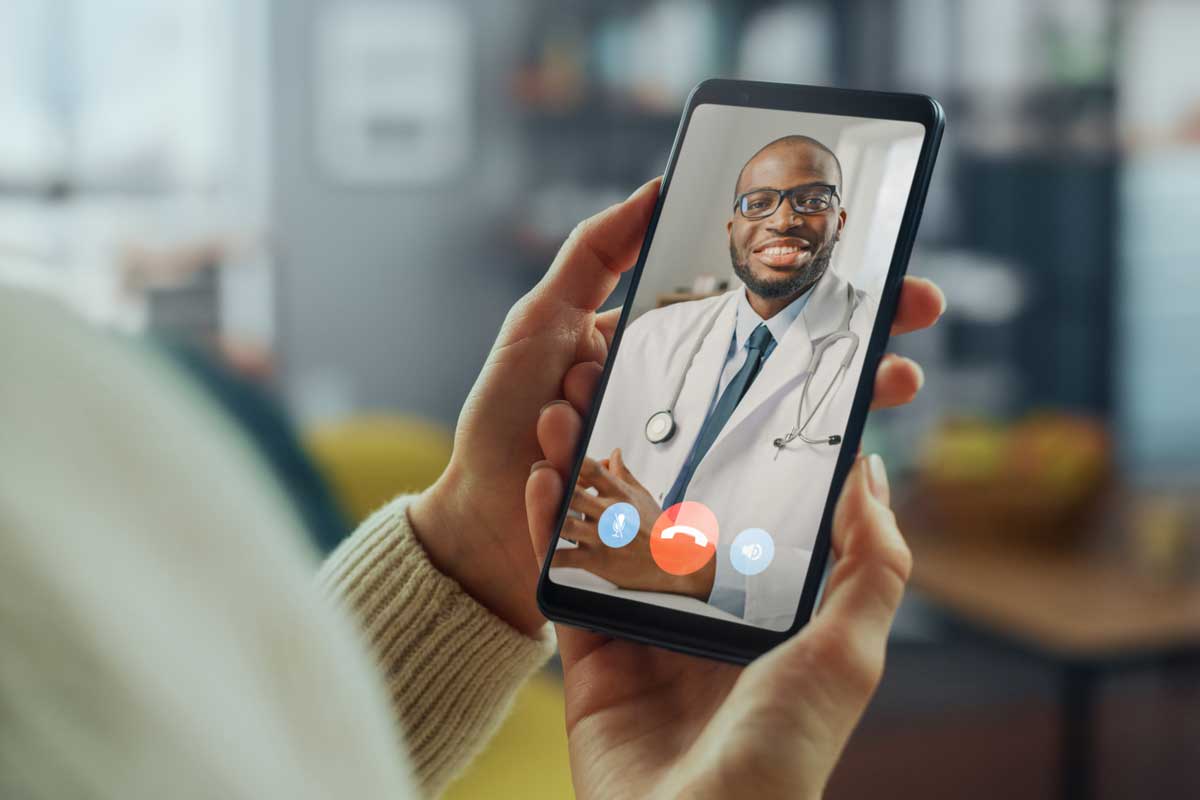
In today’s fast-paced world, healthcare has evolved in many ways, from innovations in treatment and diagnostic tools to improved patient experiences. One of the most significant advancements in healthcare delivery has been the rise of telemedicine& the use of technology to provide remote care. As more patients and healthcare providers embrace telemedicine, it is quickly transforming how we access and deliver care. What is Telemedicine? Telemedicine refers to the use of digital communication tools like video calls, phone consultations, and even online messaging platforms to deliver healthcare services remotely. It can encompass a wide range of services, from virtual doctor visits to remote monitoring of chronic conditions, mental health counseling, and more.
Unlike traditional in-person appointments, telemedicine allows patients to receive care from the comfort of their homes, reducing the need for travel and minimizing wait times. Whether you need a quick consultation for a cold, follow-up care for a chronic condition, or support for mental health, telemedicine makes healthcare more accessible than ever before.
The Benefits of Telemedicine
1. Convenience at Your Fingertips
One of the most significant advantages of telemedicine is its convenience. With telemedicine, there’s no need to take time off work, wait in crowded waiting rooms, or drive to a healthcare facility. All you need is a smartphone, tablet, or computer with an internet connection. You can schedule appointments around your lifestyle, eliminating the barriers that may prevent you from seeking timely care.
2. Increased Access to Healthcare
Telemedicine has dramatically expanded access to healthcare, especially in rural or underserved areas where medical facilities may be limited. Patients who live far from clinics or hospitals can now have consultations with specialists who may not be available locally. This means that individuals who previously faced geographical barriers to care can now receive timely and expert guidance.
3. Cost-Effective Care
For both patients and healthcare providers, telemedicine can offer a more cost-effective way to receive and deliver care. Patients can avoid travel expenses, parking fees, and other costs associated with in-person visits. On the provider side, telemedicine can help reduce overhead costs like office space and administrative expenses, which may result in more affordable care options for patients.
4. Improved Chronic Disease Management
Telemedicine plays an essential role in managing chronic conditions such as diabetes, hypertension, and asthma. Through remote monitoring devices and regular virtual check-ins, healthcare providers can track patients' conditions in real time and make timely adjustments to treatment plans. This constant monitoring helps prevent hospitalizations and ensures that patients stay on track with their health goals.
5. Mental Health Support
Telemedicine has been especially beneficial in the mental health field. Telehealth services enable patients to access therapy and counseling from the privacy of their homes, reducing the stigma often associated with seeking mental health care. Additionally, the flexibility of virtual appointments makes it easier for individuals to fit mental health support into their busy lives, leading to better outcomes and higher levels of engagement.
Overcoming Challenges in Telemedicine
While telemedicine has brought remarkable benefits, there are also challenges to consider. For example, some patients may struggle with the technology required for virtual appointments, particularly older adults who may not be as comfortable with digital tools. There can also be concerns about privacy and data security when sharing sensitive health information online.
However, advancements in digital literacy and robust cybersecurity measures are continually addressing these challenges, ensuring that telemedicine is both accessible and safe for a wide range of patients.
The Future of Telemedicine: What’s Next?
As telemedicine continues to evolve, we can expect even more advanced tools and solutions that enhance patient care. Innovations in artificial intelligence (AI), machine learning, and wearable health devices will allow for real-time health monitoring, predictive analytics, and personalized treatment plans. Additionally, telemedicine is likely to integrate more seamlessly with traditional healthcare systems, offering hybrid models of care where in-person and virtual appointments work in tandem for comprehensive treatment.

